
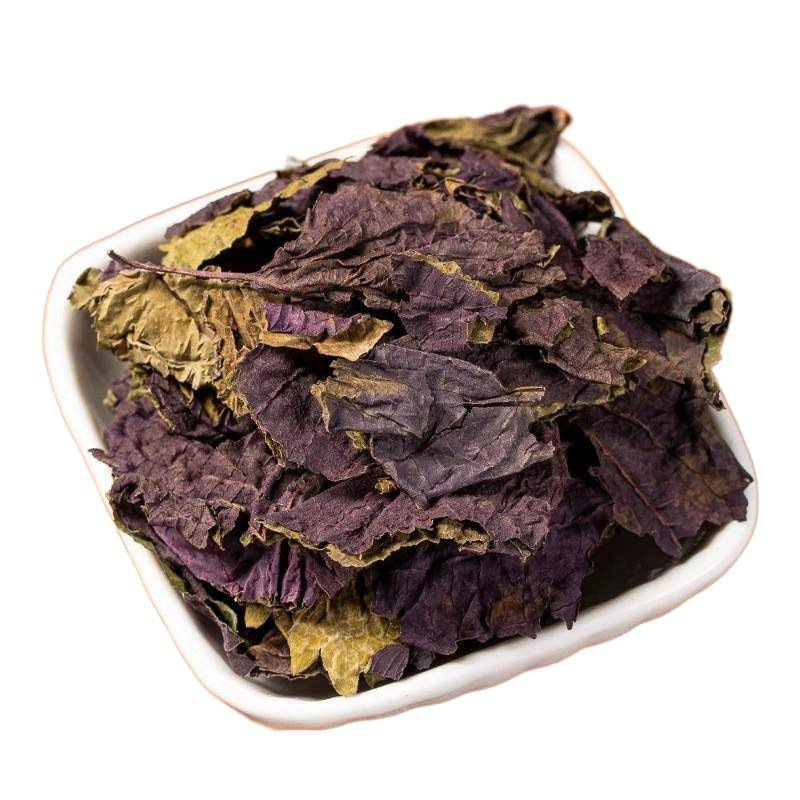
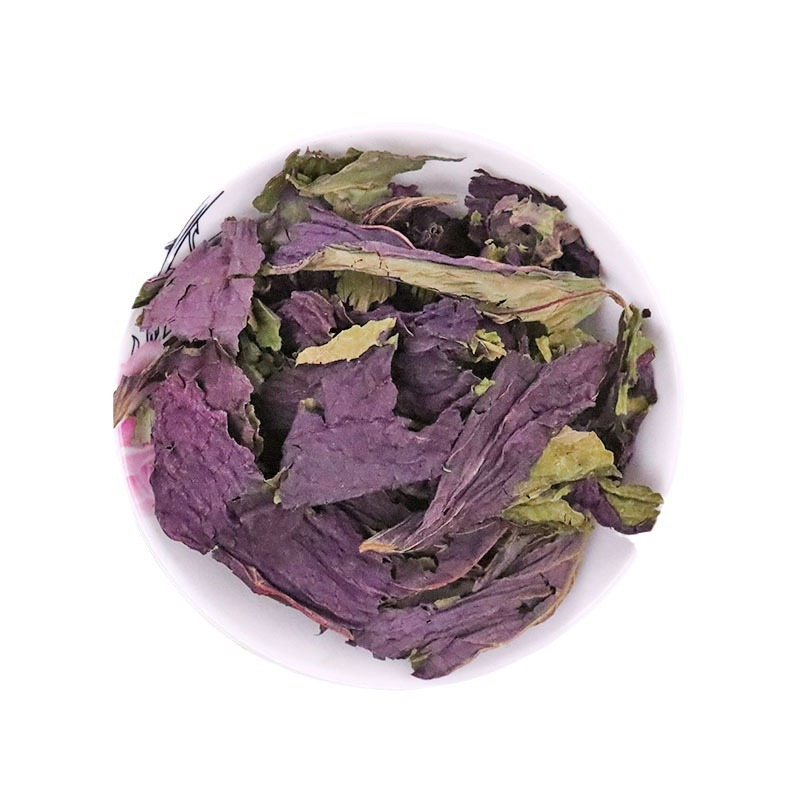
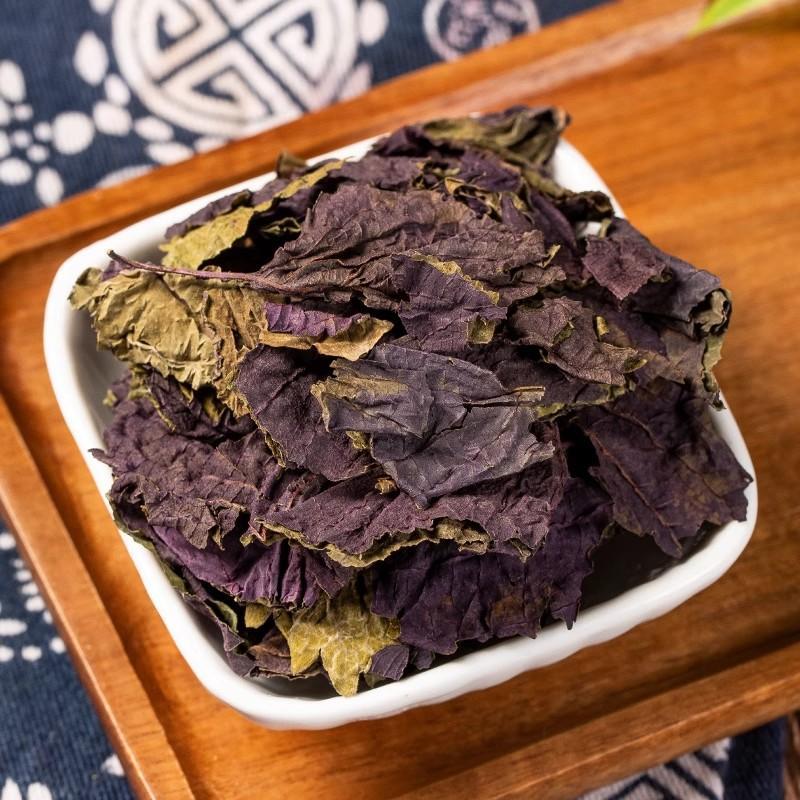
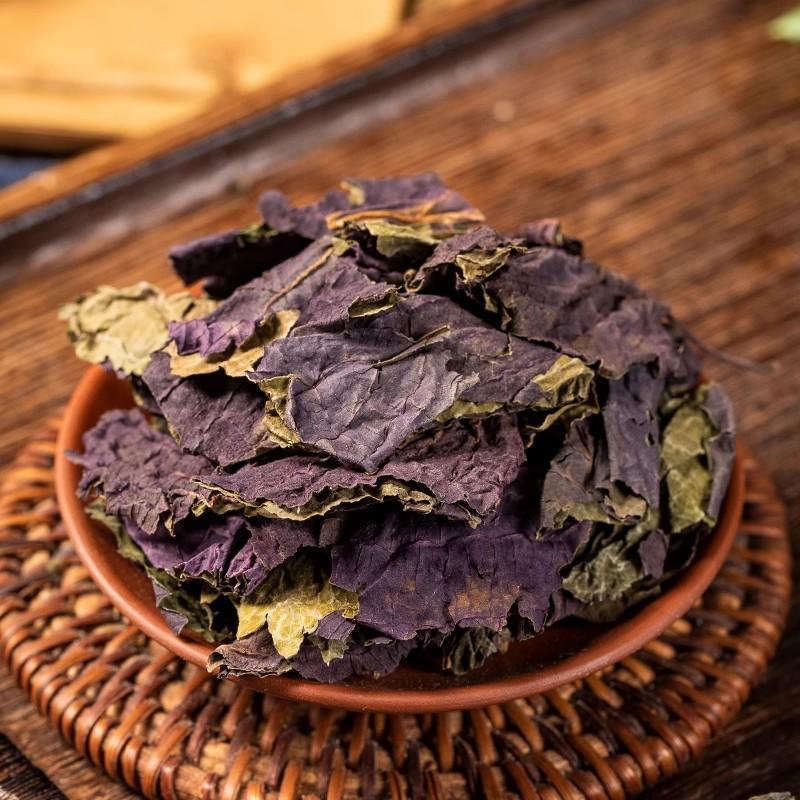
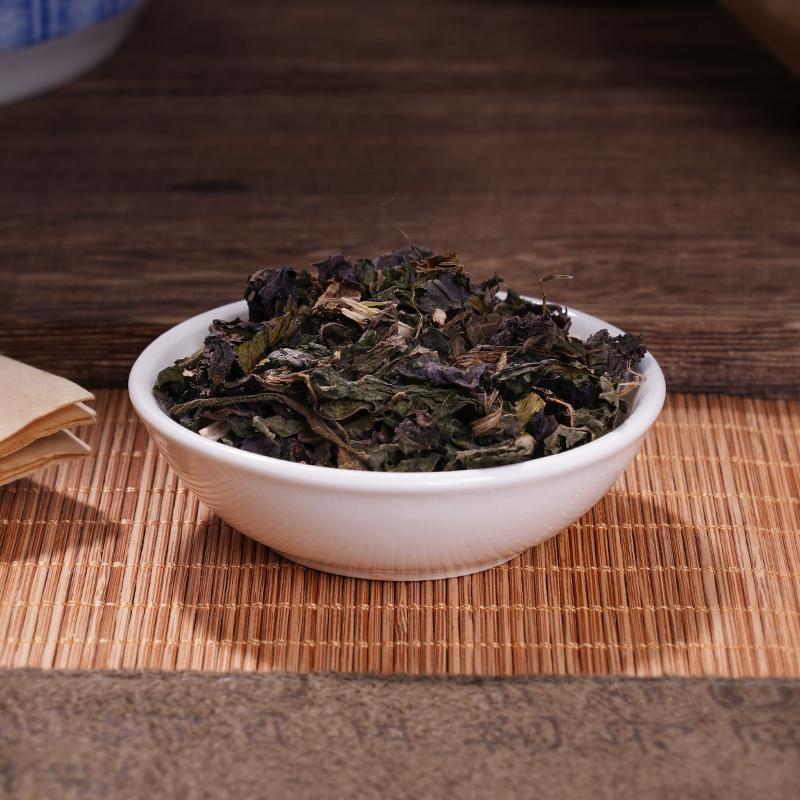
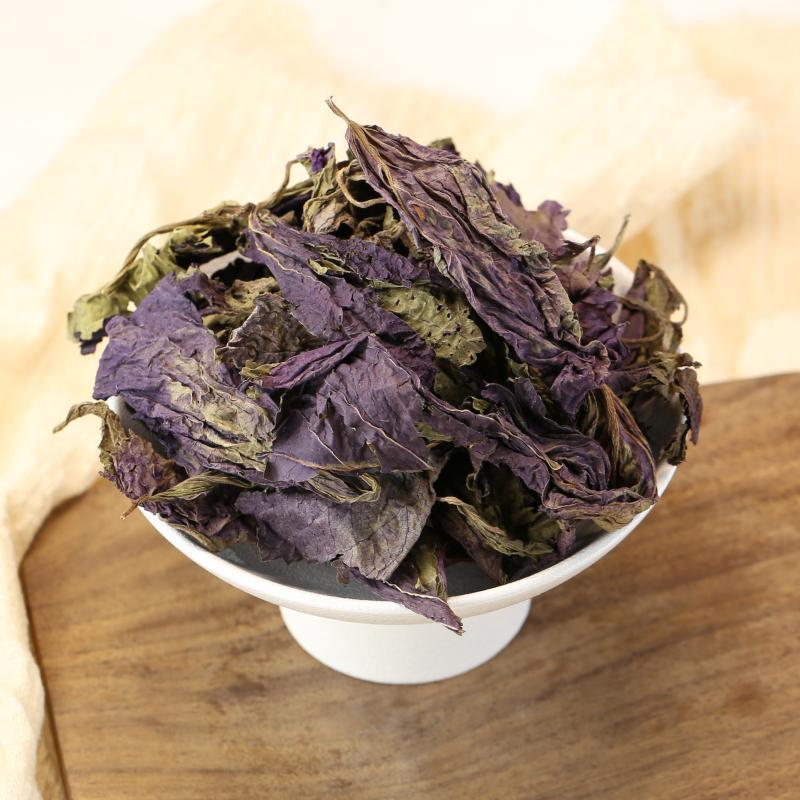
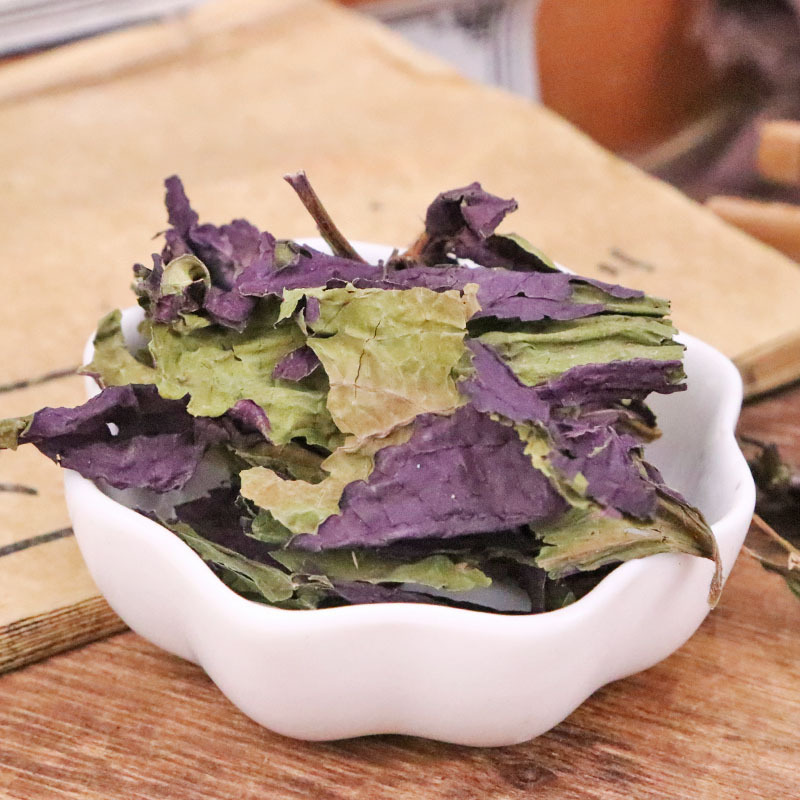
Description
Perilla(紫苏) is a herbaceous plant recognized as both a medicinal herb and an edible food source. It is rich in volatile oils, flavonoids, and various vitamins. Traditional medicine attributes to it properties such as dispelling external cold and regulating *Qi* to harmonize the stomach; modern research has further confirmed its antioxidant and antimicrobial characteristics. With approximately 45 kcal per 100g of fresh leaves, it is low in fat and high in fiber, making it a suitable addition to a wide variety of healthy diets.
I. Key Functions and Benefits of Perilla
1. **Relieving Symptoms of Wind-Cold:** Perilla contains volatile oil components—such as perilla aldehyde—that promote surface circulation through diaphoresis (inducing sweating). This offers a degree of relief for symptoms associated with the early stages of a wind-cold common cold, such as nasal congestion and headaches. Consuming a decoction made from the leaves, or adding 10g of fresh leaves when cooking porridge, can help aid in expelling internal cold.
2. **Improving Digestive Function:** The volatile oils and cellulose found in perilla stimulate gastrointestinal peristalsis. Individuals experiencing mild abdominal bloating or poor appetite may find relief by brewing a tea using 5–8 perilla leaves, or by cooking them together with ginger and dried tangerine peel, to help regulate issues related to *Qi* stagnation.
3. **Antioxidant and Anti-inflammatory Effects:** Components within perilla leaves—such as rosmarinic acid and anthocyanins—act as free-radical scavengers. Studies indicate that perilla extracts possess inhibitory effects against skin inflammation and allergic reactions; when applied topically (e.g., by crushing the leaves into a poultice) or added to bathwater, perilla can help soothe itching and skin irritation

Reviews
There are no reviews yet.