
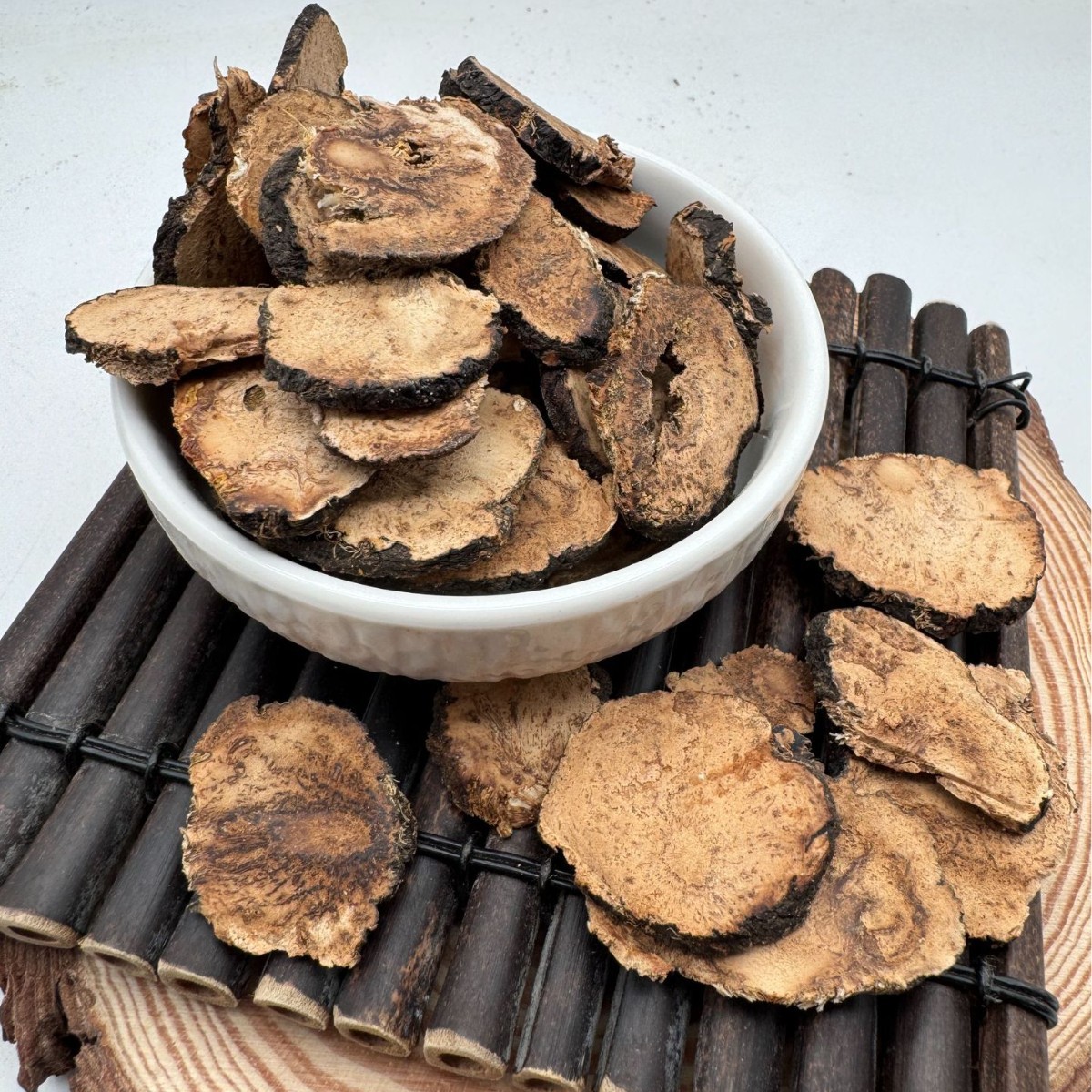
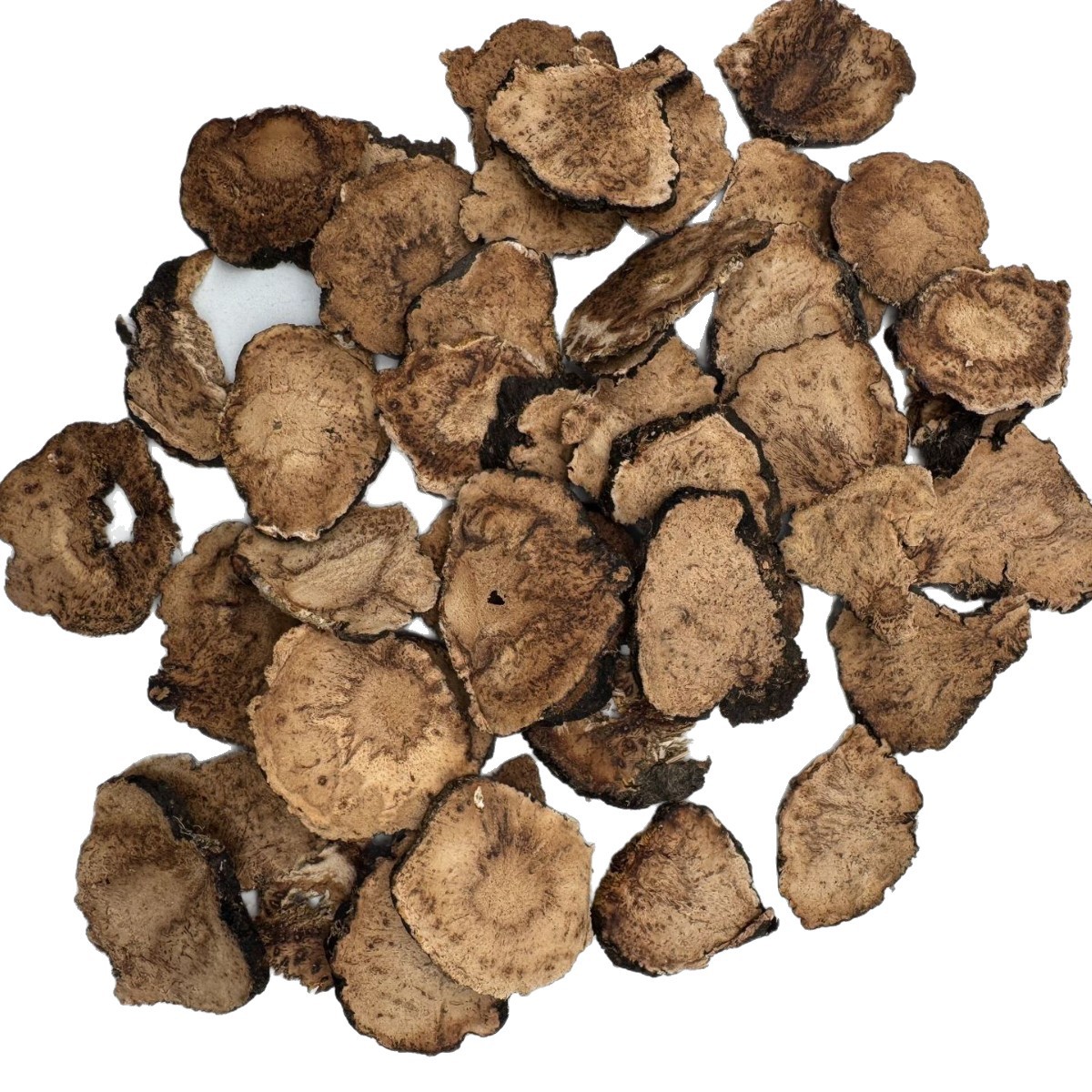
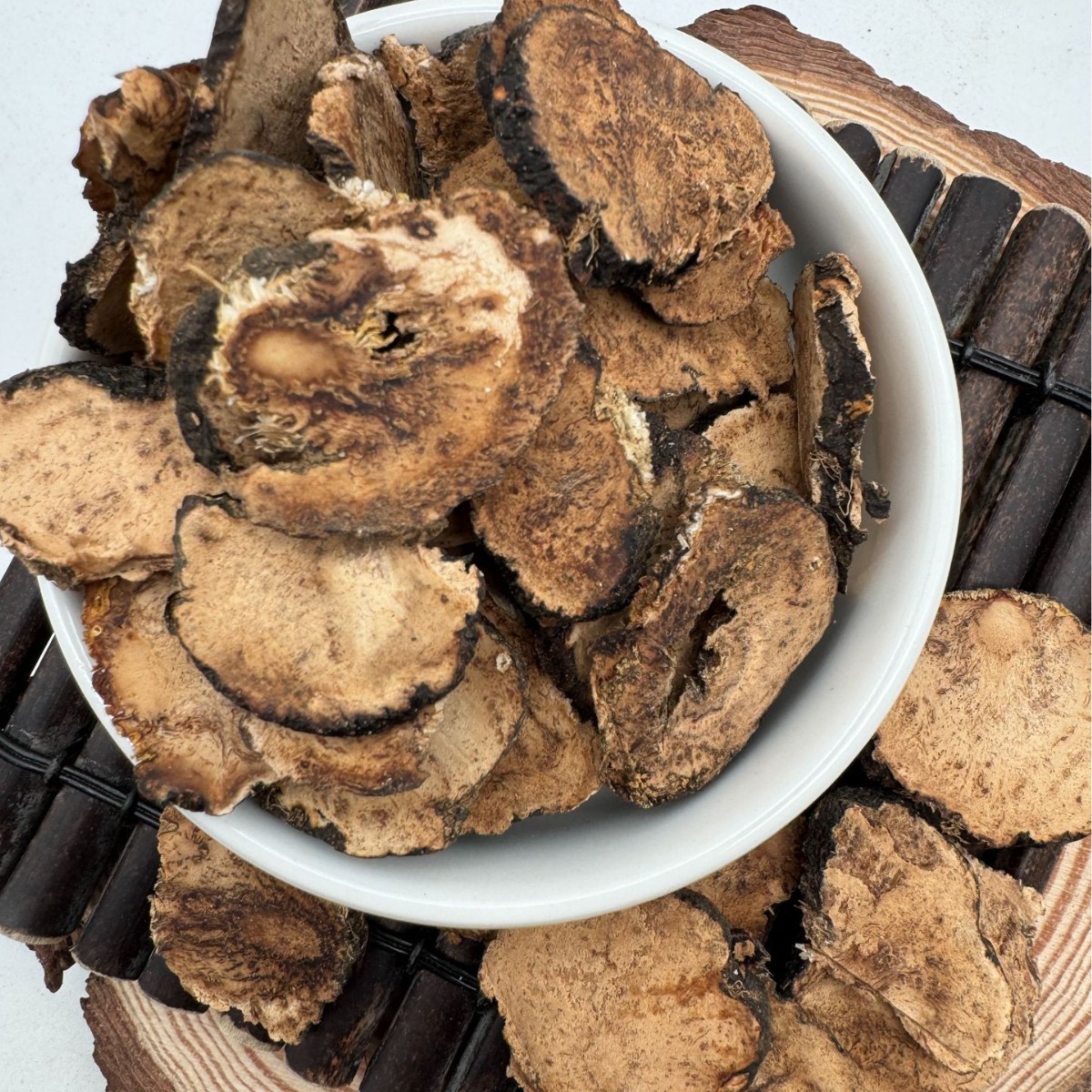
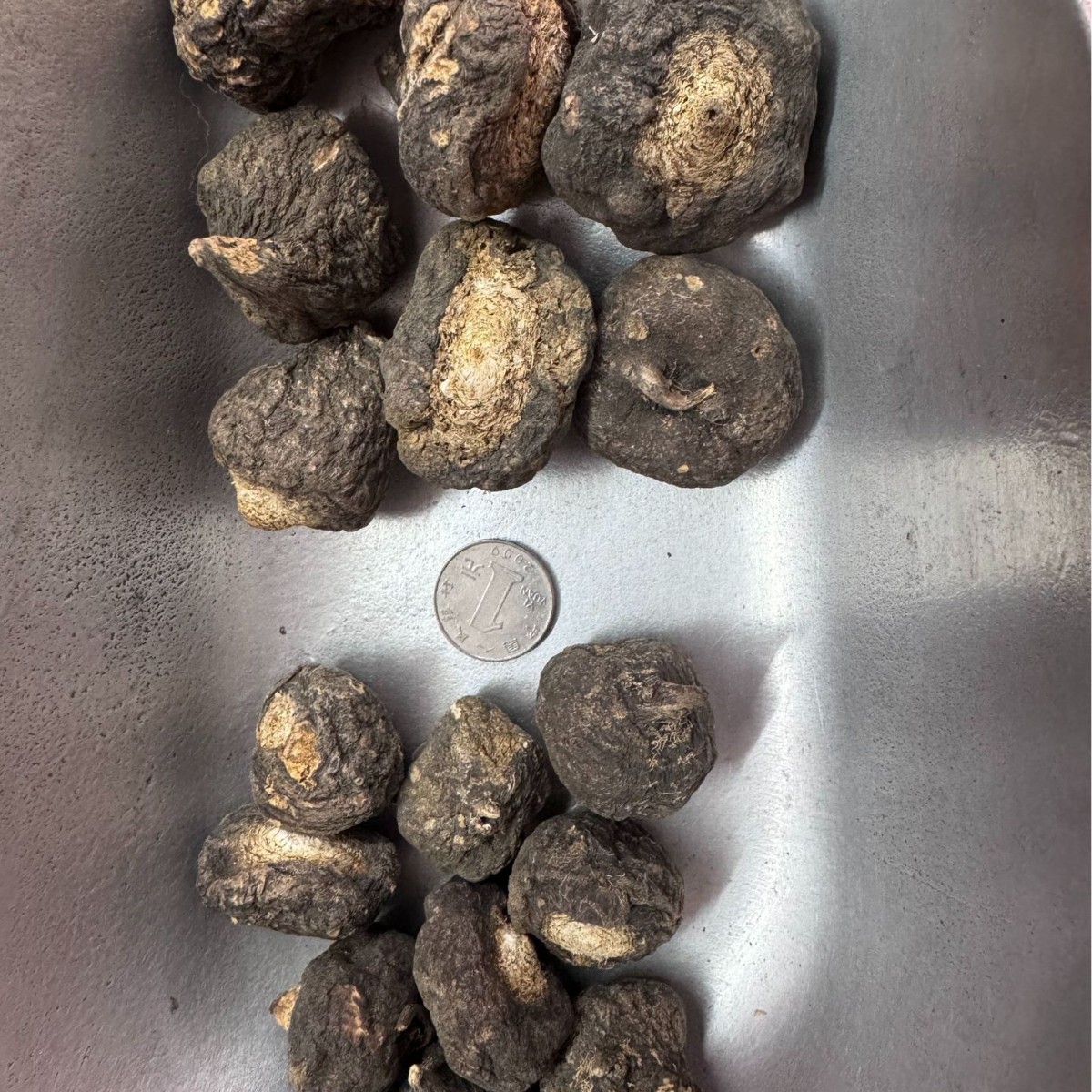
Description
Maca is a cruciferous plant native to the Andes Mountains of South America; in traditional medicine, it is used to enhance physical strength, alleviate fatigue, and regulate endocrine function. Modern research suggests that it may exert its effects through mechanisms such as providing antioxidant support, balancing hormone levels, and supplying nutritional elements; however, specific outcomes vary among individuals, and there is a lack of large-scale clinical evidence to substantiate these claims.
I. Traditional Uses and Modern Research
For thousands of years, the root of the Maca plant has been utilized as both a food source and a medicinal herb in regions such as Peru, primarily to boost endurance and fertility. Modern studies have revealed that Maca contains proteins, amino acids, minerals (such as iron and zinc), and bioactive plant compounds (such as macamides), which may exert their effects through the following pathways:
1. Anti-fatigue and Physical Strength Enhancement: Some experimental studies indicate that Maca may improve athletic endurance and reduce oxidative stress, though human data on this subject remain limited.
2. Regulation of Endocrine Function: It may indirectly modulate levels of sex hormones (such as testosterone and estrogen) by influencing the hypothalamic-pituitary axis; however, the supporting evidence largely derives from animal experiments or small-scale human studies.
3. Improvement of Mood and Cognitive Function: The polyphenolic compounds found in Maca may play a supportive role in alleviating anxiety and enhancing memory retention.



Reviews
There are no reviews yet.