
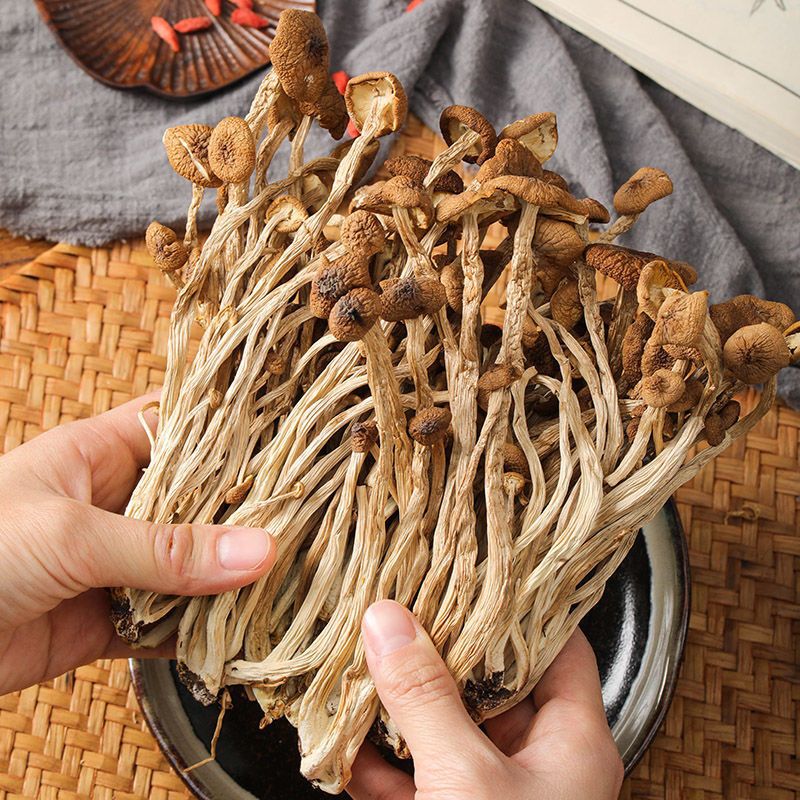
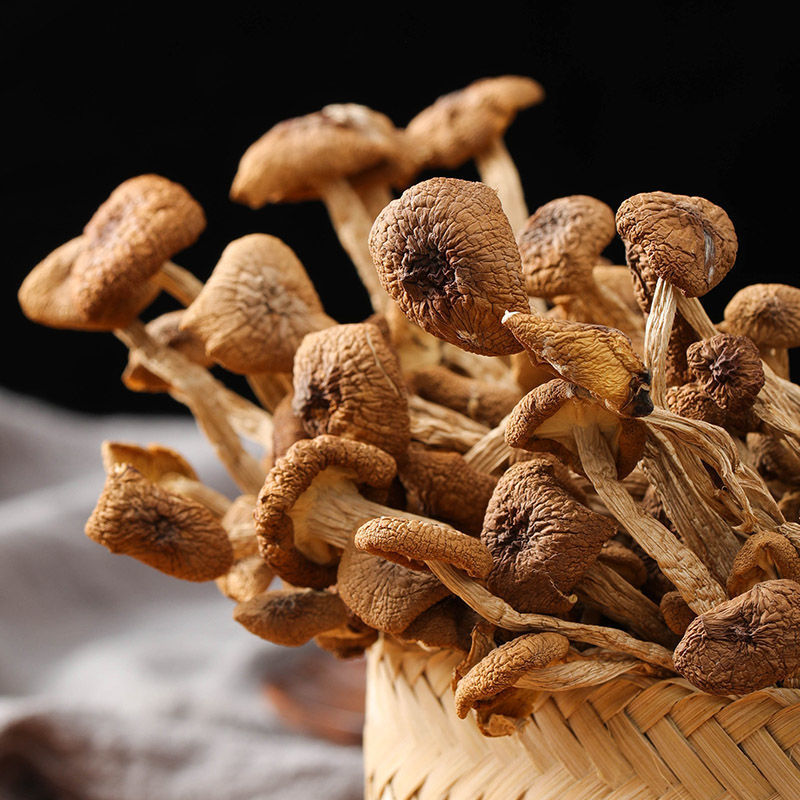
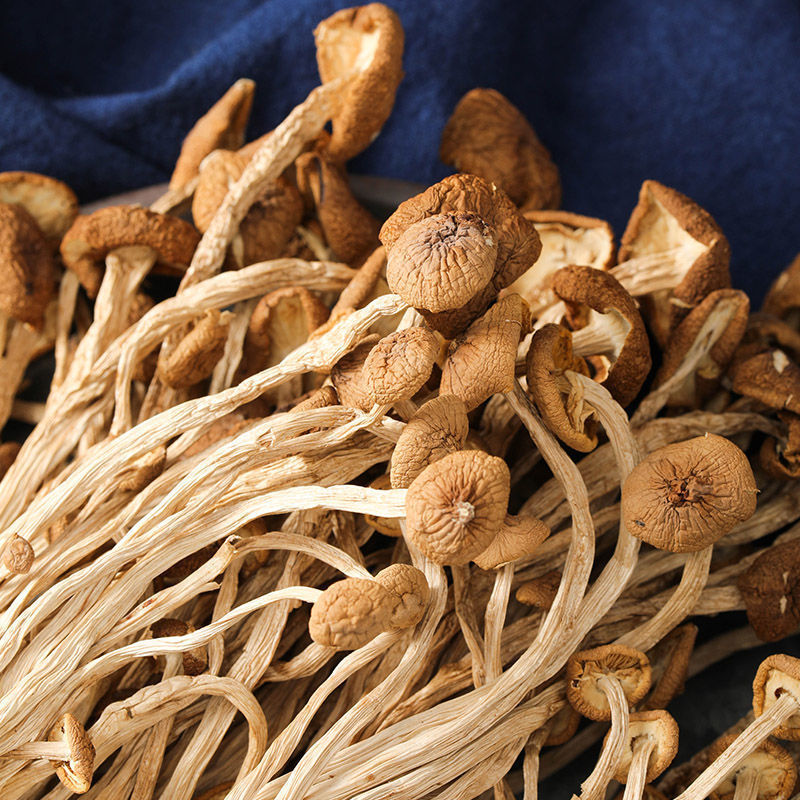

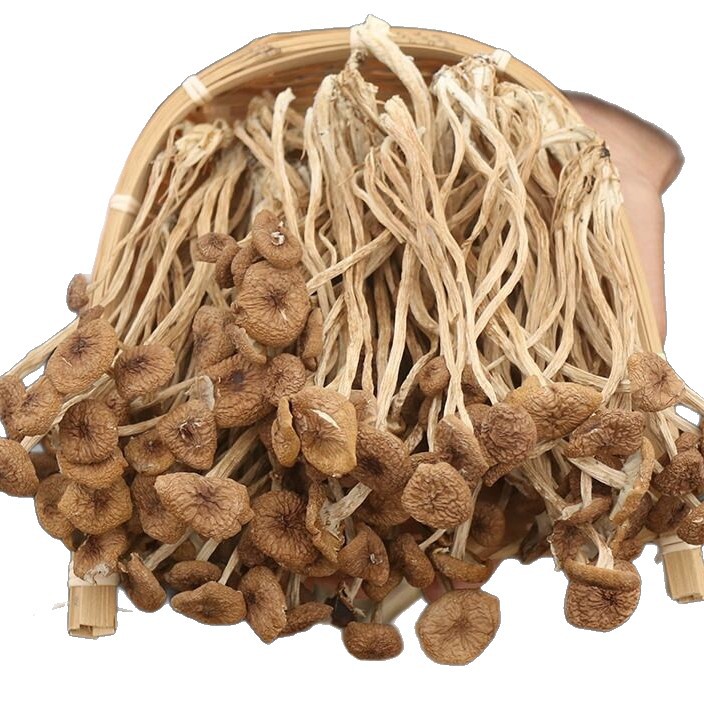
Description
Nutritional and Pharmacological Activities
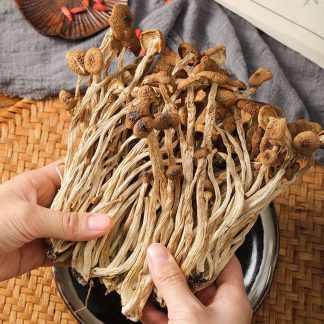
Agrocybe aegerita is not only a delicious edible fungus, but also possesses various biological activities. Its main components include:
Polysaccharides (especially β-glucan), lectins (such as AAVP), sterols, dietary fiber, and polypeptides.
Its main effects include:
Lowering blood sugar and improving insulin resistance
Inhibiting α-glucosidase and α-amylase, delaying carbohydrate absorption
Promoting glucose uptake in peripheral tissues and protecting pancreatic β cells
Clinical studies show that it can reduce fasting blood glucose by 15–25% and postprandial blood glucose by 20–30% in patients with type 2 diabetes.
Immune Regulation
Activating macrophages, NK cells, T cells, and B cells
Promoting the activity of IL-1β, IL-2, IL-6, TNF-α, and IFN-γ. Induces cytokine secretion.
Anti-tumor effects: In vitro experiments show inhibitory effects on various cancer cells, including liver cancer, gastric cancer, lung cancer, breast cancer, and leukemia.
Induces cancer cell apoptosis and inhibits angiogenesis.
Antioxidant and anti-aging effects: Scavenges free radicals, inhibits lipid peroxidation, and enhances the activity of endogenous antioxidant enzymes.
Hepatoprotective effects.

Reviews
There are no reviews yet.