
Description
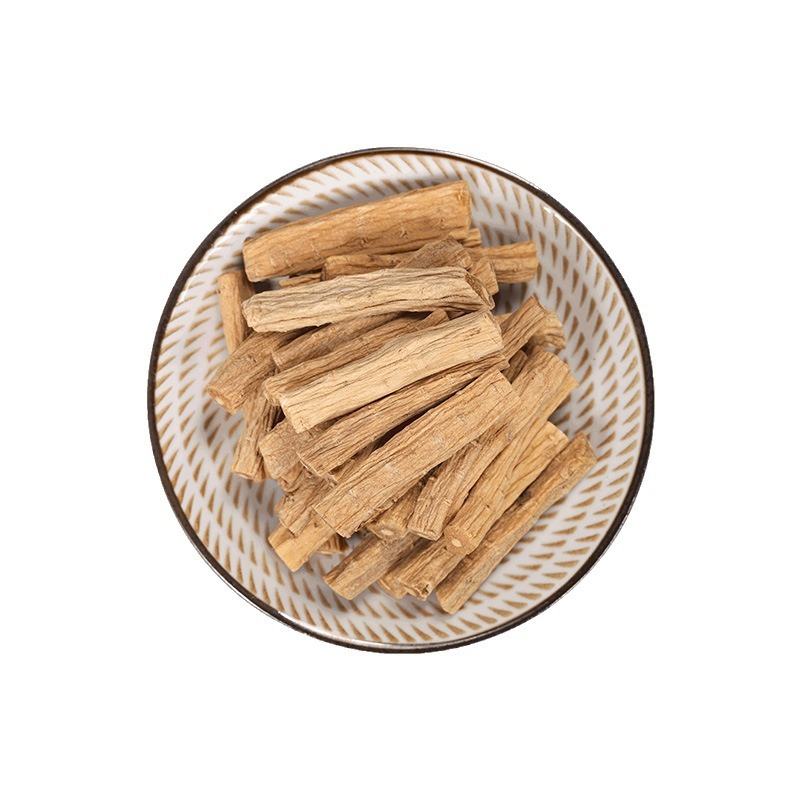
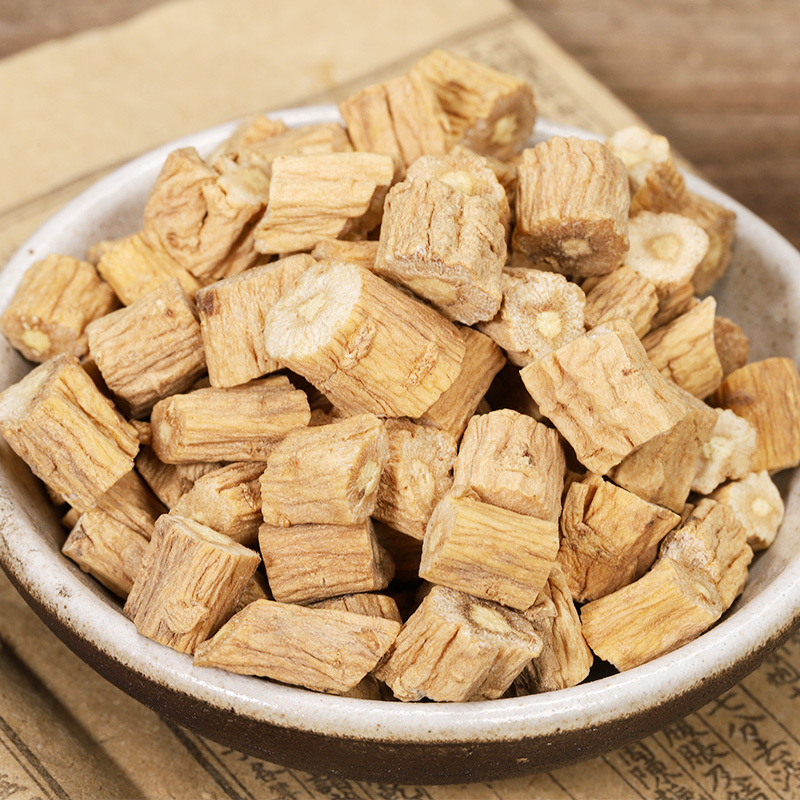
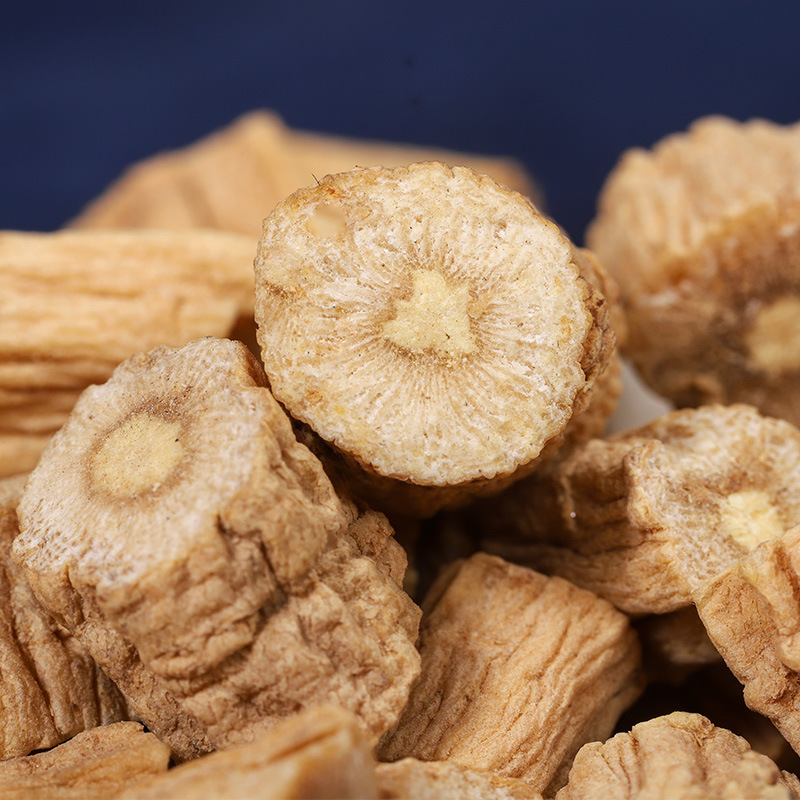
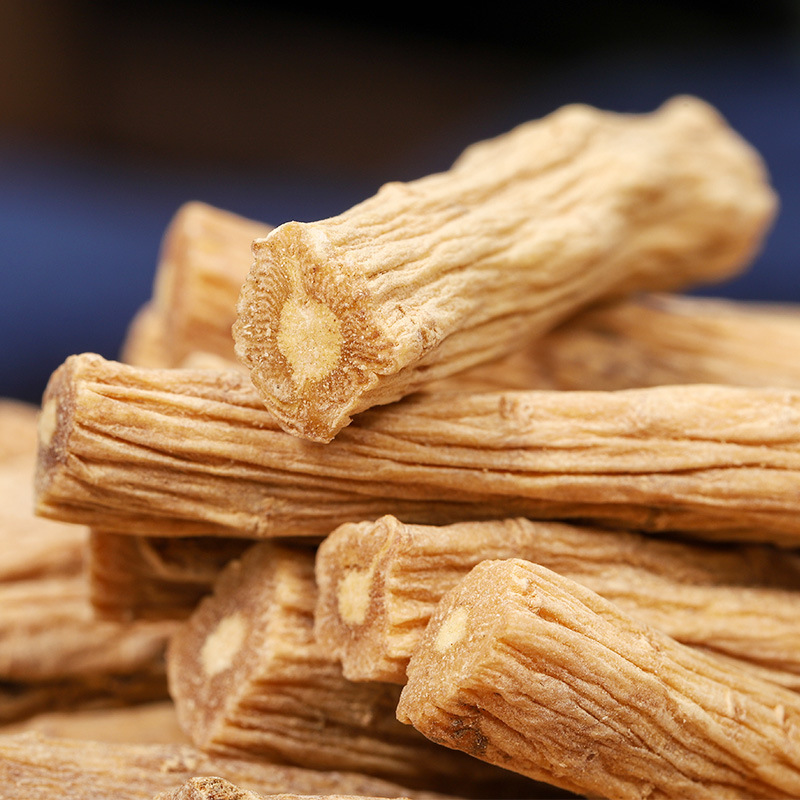
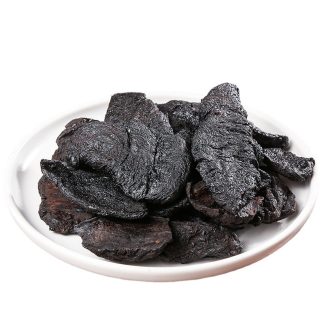
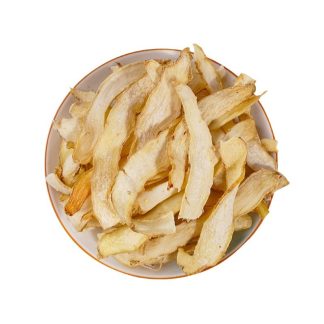
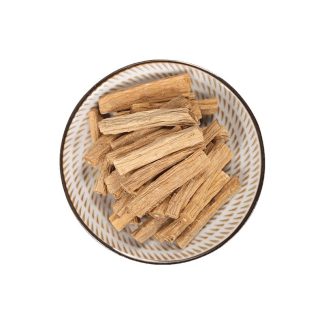
herbal Codonopsis pilosula, the dried root of a plant in the Campanulaceae family, is sweet and neutral in nature, and enters the spleen and lung meridians. It is a commonly used herb in Traditional Chinese Medicine (TCM) for tonifying Qi. Compared to ginseng, its Qi-tonifying effect is milder and less likely to cause internal heat, making it suitable for long-term conditioning of those with weak constitutions. Modern research has also confirmed that its polysaccharides, saponins, and other components have various physiological regulatory effects.
Main Efficacy and Functions
1. Tonifying the Spleen and Stomach, Improving Fatigue and Weakness: Codonopsis pilosula can enhance spleen and stomach function, improving problems such as loss of appetite, fatigue, and loose stools caused by insufficient Qi. It is especially suitable for those recovering from illness, those with chronic wasting diseases, or those in a sub-healthy state. It is often combined with Atractylodes macrocephala and Poria cocos, such as in the classic formula “Si Jun Zi Tang” (Four Gentlemen Decoction).
2. Strengthening the Spleen and Lungs, Relieving Chronic Cough and Wheezing: By tonifying the spleen to benefit the lungs (i.e., “strengthening the earth to generate metal”), it is suitable for symptoms such as weak cough, shortness of breath, and wheezing upon exertion caused by lung Qi deficiency. It has an auxiliary effect in improving the condition of chronic bronchitis and emphysema in the stable phase, and is often used in combination with Astragalus membranaceus and Schisandra chinensis.
3. Nourishes blood and regulates qi and blood deficiency: When qi is abundant, blood is generated. Codonopsis pilosula can promote hematopoietic function and improve symptoms such as sallow complexion, dizziness, palpitations, and postpartum blood deficiency. It is often combined with blood-tonifying herbs such as Angelica sinensis and Rehmannia glutinosa, such as in “Eight Treasures Decoction,” to achieve dual replenishment of qi and blood.
4. Enhances immunity and reduces the frequency of colds: Codonopsis pilosula polysaccharides can activate macrophages and T lymphocytes, improving the body’s disease resistance. Studies show that long-term, moderate use can reduce the risk of recurrent respiratory infections, especially suitable for people with weak constitutions and susceptibility. The effect is even better when used in combination with Astragalus membranaceus.
5. Regulates blood pressure and protects the cardiovascular system: Codonopsis pilosula has a bidirectional regulatory effect on blood pressure: it can help raise blood pressure in people with low blood pressure and help stabilize blood pressure in patients with mild hypertension. Its extract can also dilate coronary arteries and improve microcirculation, offering some auxiliary value for coronary heart disease and angina pectoris.
6. Anti-fatigue and improved hypoxia tolerance: By enhancing the oxygen-carrying capacity of hemoglobin, it prolongs the endurance time for physical and mental labor. Suitable for those who suffer from prolonged mental overwork and physical exhaustion, it is a gentle choice for anti-stress and relieving neurasthenia.

Reviews
There are no reviews yet.